05-02-2010

EDGAR CAIRO SURINAME AUTEUR


Edgar Eduard Cairo (Paramaribo, 7 mei 1948Amsterdam, op of voor 16 november 2000) was een Surinaams auteur
Biografie
Cairo werd geboren te Paramaribo. Zijn ouders waren afkomstig van een voormalige plantage in het district Para. Hij volgde de lagere school bij de fraters, en haalde het diploma aan de Algemene Middelbare School (AMS). Vervolgens vertrok hij in 1968 naar Amsterdam waar hij Nederlands en Algemene Literatuurwetenschap studeerde.
In zijn laatste boeken openbaarde zich een ernstige psychose. Ook liet hij in 1988 een advertentie in een krant plaatsen met de tekst Jezus terug op aarde. Edgar Cairo, Gods zoon, spreekt alle talen met Jaweh's stem en doet grote wonderen.
Cairo werd op 16 november 2000 dood aangetroffen in zijn woning in Amsterdam-Oost. Hij was overleden aan een maagbloeding; op welke dag precies kon niet worden vastgesteld. Hij is 52 jaar geworden.
[bewerken] Werken
Cairo debuteerde in 1969 met Temekoe, een sterk autobiografische novelle in het Sranan over een vader-zoonrelatie, later herschreven in het Surinaams-Nederlands als Temekoe/Kopzorg (1979) en nogmaals in het Algemeen Nederlands als Kopzorg (1988). Hij hanteert in veel van zijn werken een Surinaams-Nederlands dat hij met zijn eigen vondsten heeft verrijkt tot het "Cairojaans". Vooral uit Surinaamse hoek werd dit nogal bekritiseerd. In Suriname is zijn meest gelezen boek Kollektieve schuld (1976) over winti-perikelen in een familie.
Cairo was sterk beïnvloed door de orale tradities van stads- en Para-negers en was zelf een bekend voordrachtskunstenaar. Hij publiceerde in totaal een tiental dichtbundels, zeven toneelstukken, een tiental forse romans, twee bundels columns en voorts verspreide verhalen en essays. Zijn hele werk draait om het negerschap in al zijn facetten. Vooral het leven op de Surinaamse achtererven heeft hem vaak geïnspireerd. Sommige van zijn boeken spelen in Suriname, zoals Adoebe lobi/Alles tegen alles (1977), over de strijd van een ambitieuze student die tussen verschillende maatschappelijke milieus terechtkomt, en Mi boto doro/Droomboot havenloos (1980), over de "hosselproblemen" en idealen van een paar jongens met een bus. Andere werken spelen in het Caraïbisch gebied, zoals het stuk Dagrati! Dagrati!/Verovering van De Dageraat (1980) over een slavenopstand in Guyana in 1763. Weer andere in Nederland als zijn roman over de Decembermoorden, De smaak van Sranan Libre, en het koningsdrama Het koninkrijk IJmond/ Ba Kuku Ba Buba (1985). Zijn poëzie in het Sranan en Surinaams-Nederlands werd verzameld, opnieuw gerangschikt en vertaald in Lelu! Lelu! Het lied der vervreemding (1983) met een zeer uitgebreide, maar nogal slordige inleiding. Zijn eerste columns voor de Volkskrant werden gebundeld in Ik ga dood om jullie hoofd (1980).
In zijn schrijversloopbaan is Cairo’s aandachtsveld langzaam verschoven: van de neger als slaaf en vrije in Suriname naar die in het Caraïbisch gebied, later naar de zwarte als immigrant in een witte samenleving, uitgestotene en kosmopoliet, weer later naar de geschiedenis van het bestaansverdriet van de Afrikaanse neger in Nyumane/ln mensennaam (1986). Het grootste deel van zijn boeken is verschenen bij uitgeverij In de Knipscheer.
[bewerken] Aandacht
Tijdens de hoogtijdagen van zijn publicatietijd was Cairo een meester in het genereren van publieke belangstelling. Zijn klacht dat hij nooit een positieve recensie kreeg was ongegrond: hij kreeg veel aandacht van de literaire kritiek, en minsens zoveel positieve als afwijzende recensies. Na zijn overlijden verdween de aandacht voor zijn werk. Die leefde weer enigszins op toen 25 jaar na de decembermoorden zijn roman De smaak van Sranan libre verscheen, die eerder in hoorspelvorm aan het einde van 1982 was uitgezonden door Radio Nederland Wereldomroep.De Werkgroep Caraïbische Letteren plaatste op 5 september 2009 de persoon en het werk van Cairo opnieuw in de schijnwerpers met een groot programma, met o.m. een theatrale bewerking van Cairo's teksten door Michiel van Kempen waarin Edgar Cairo gespeeld werd door Felix Burleson, en een debat onder leiding van Noraly Beyer waaraan Abdelkader Benali, Maarten van Hinte, Ellen Ombre, Rappa en Michael Tedja deelnamen.
[bewerken] Over Edgar Cairo
Michiel van Kempen, 'Edgar Cairo'. In: Kritisch Lexicon van de Moderne Nederlandstalige Literatuur, no. 36, februari 1990. (biografie, beschouwing, uitgebreide primaire en secundaire bibliografie)
Michiel van Kempen, Een geschiedenis van de Surinaamse literatuur. Breda: De Geus, 2003, deel II, pp. 1018-1022,1085-1098.
Michiel van Kempen, '23 december 1978: Edgar Cairo’s eerste column voor de Volkskrant; 23 januari 1996: Kader Abdolah’s eerste columns voor de Volkskrant; De Nederlandse taal als onderdrukker en bevrijder.' In: Kunsten in beweging 1980-2000; Cultuur en migratie in Nederland. Redactie Rosemarie Buikema en Maaike Meijer. Den Haag: Sdu Uitgevers, 2004, pp. 19-35.
[bewerken] Zie ook
Lijst van Surinaamse schrijvers
Surinaamse literatuur
Decembermoorden
[bewerken] Externe links
Edgar Cairo in de Digitale Bibliotheek Nederlandse Letteren
De complete tekst van Kollektieve schuld in DBNL
De complete tekst van Djari/Erven in de DBNL
Edgar Cairo in het Biografieënproject van de DBNL
Lezing van Els Moor over Edgar Cairo
Radio Nederland Wereldomroep over Lelu! Lelu! Het lied der vervreemding
[bewerken] Bronnen, noten en/of referenties
Bronnen, noten en/of referenties:
Dit artikel is – met toestemming van de auteur – gebaseerd op een lemma uit Michiel van Kempen, Surinaamse schrijvers en dichters (Amsterdam: De Arbeiderspers, 1989).

03-02-2010

CARICOM SUMMIT ON YOUTH IN SURINAME JANUARI 2010


DECLARATION OF PARAMARIBO ON THE FUTURE OF YOUTH IN THE CARIBBEAN COMMUNITY

We, the Heads of Government of the Caribbean Community (CARICOM), meeting at the Torarica Hotel, Paramaribo, Suriname on 30 January 2010 on the occasion of a Special Regional Summit on Youth Development:
Conscious that regional integration holds the key to the optimal development of the small developing countries of the Community and the regional population, the majority of which is under the age of 30;
Affirming our belief that the unique perspective, creativity, energy and other assets which young people possess are essential elements of societal change, technological innovation and development, making them invaluable assets and partners in development and not problems to be solved;
Welcoming the United Nations proclamation of 2010 as the International Year of Youth which gives heightened importance to this first Special Summit of CARICOM Heads of Government on Youth Development and the report of the CARICOM Commission on Youth Development;
Inspired by the historic contributions of Caribbean youth to social, technological, political and even economic change within this region and beyond;
Acknowledging the corrosive impact of poverty, social inequalities and marginalisation on youth health and well being, the impact of globalisation on traditional values and attitudes and the dual impact of global streams of information and culture on youth dreams, aspirations, risk and vulnerability;
Impelled by a determination to strengthen the Regional Strategy for Youth Development to promote, in particular, citizenship and Caribbean identity; youth health, protection and well being; new and younger leadership, governance and participation and social and economic empowerment, productivity and competitiveness;
Fully convinced of the benefits to be derived from institutionally strengthening and raising the profile of Departments responsible for Youth Affairs, National Youth Councils, the CARICOM Youth Ambassador Programme and other youth governance structures;
Recognising the historical contributions of the Commonwealth Youth Programme (CYP), United Nations Population Fund (UNFPA), United Nations Development Programme (UNDP), United Nations Children’s Fund (UNICEF) and other development partners towards the development and empowerment of Caribbean youth, the establishment of youth work as a professional occupation and the strengthening of Youth Organisations/NGOs and Departments responsible for Youth Affairs;
Endorsing the main recommendations of the CARICOM Commission on Youth Development with regard to the CSME, youth governance, human resource development, sports and culture;
Declare –
• Our intention to explicitly recognise and clearly articulate the role of youth in Caribbean development in the amended Revised Treaty of Chaguaramas; and to ensure that this role is enshrined in national and regional development strategies, together with provisions for youth mainstreaming, youth-adult partnership and youth participation across all sectors;
• That we welcome the United Nations Proclamation of 2010 as the International Year of Youth which enhances the symbolic relevance of this first Special Summit of CARICOM Heads of Government on Youth Development and the timeliness of the report of the CARICOM Commission on Youth Development;
• That we support actions aimed at establishing a clearly defined research and policy agenda as the framework for empowering and developing youth in the region, informed by the several research papers undertaken for the CCYD as part of its investigations; complemented by a central mechanism for storing and analysing research and best practice data; and supported by development partners and donors in the Region;
• Our commitment to initiatives to create a mass movement of young people in support of regional integration and to shape a sense of common identity and destiny through mechanisms and strategies such as ICT, youth-led advocacy and peer sensitisation networks, youth exchanges, sports and culture;
• Our full support for auditing Departments responsible for Youth Affairs and for developing, by mid-2011, comprehensive restructuring plans informed by regional guidelines which include coordination of youth development initiatives nationally; mainstreaming youth; strategic planning and evidence-based/research-driven programming; forming strategic alliances and implementation partnerships with youth organisations/NGOs/CBOs and development agencies; coordinating the implementation of the Regional Strategy for Youth Development; and translating regional policy into national action;
• That we strongly endorse the recommendation to use the Commission on Youth Development’s research findings to strengthen the Regional Strategy for Youth Development and to develop complementary CARICOM Youth Development Goals, targets and indicators as desirable outcomes for youth well-being and empowerment;
• Our commitment to recognise and provide incentives for outstanding youth talent, excellence and volunteerism though the establishment of a regional youth award at the level of the Order of the Caribbean Community and a multi-agency Regional Youth Awards and Incentives Programme;
• That we will support policies and programmes to engage the creative intellect and energy of a diverse youth population in facing the challenges of globalisation and the CSME, and to develop national and regional youth governance networks with clearly articulated roles for National Youth Councils, CARICOM youth Ambassadors and other national and regional structures.
• That the inter-relatedness of education, health, labour and other social sector areas require the development of youth mainstreaming, the development of collaborative multi-sectoral strategies and the coordination and harmonisation of the efforts of the public and private sector, civil society and development partners;
• Our commitment to take account of the gender dimension in all of our programmes aimed at youth development and empowerment and to embrace the role of the media as a responsible partner in all our efforts to empower and develop young people;
• Our endorsement of proposals to develop, in consultation with regional and international agencies and donors, the modalities for a sustainable regional mechanism for financing the operationalisation and implementation of the commitments arising out of this Special Summit on Youth Development; and for strengthening the capacity of the CARICOM Youth Desk to provide oversight of the implementation and monitoring of the Regional Strategy for Youth Development and of this Declaration;
• Our strengthened resolve to scale up initiatives to commemorate International Youth Day on 12 August 2010 as well as Caribbean Youth Day on 30 September 2010.
Paramaribo, Suriname30 January 2010
CONTACT: piu@caricom.org

NEDERLANDSE TAALUNIE EN SURINAME 2007 2008


De Nederlandse Taalunie is een beleidsorganisatie waarin Nederland, Vlaanderen en Suriname samenwerken op het gebied van het Nederlands. De belangrijkste werkterreinen zijn: de Nederlandse taal zelf, het Nederlands in digitale toepassingen, onderwijs in en van het Nederlands, literatuur en leesbevordering, en de positie van het Nederlands in Europa en in de wereld.
Een taal, drie landen
Het Nederlands is de moedertaal van zestien miljoen Nederlanders en zes miljoen Vlamingen. Nederland en Vlaanderen ontwikkelen al sinds 1980 een gemeenschappelijk beleid voor het Nederlands. Deze samenwerking is, na een lange voorgeschiedenis, vastgelegd in het Verdrag inzake de Nederlandse Taalunie. Voor veel Surinamers is het Nederlands de moedertaal of de tweede taal. Het is de officiële taal in het onderwijs en bij de overheid. Daarom is Suriname sinds 2004 geassocieerd lid van de Taalunie. In 2007 is een raamwerkovereenkomst voor samenwerking gesloten met de Nederlandse Antillen. Samen investeren we in de toekomst van onze taal. Gezamenlijke inspanningen zijn immers efficiënter.
Nederlands zonder drempels
Zo weinig mogelijk drempels voor gebruikers van de Nederlandse taal is de missie van de Taalunie. Daarmee wordt bedoeld: we willen elke taalgebruiker steunen om het Nederlands te hanteren voor alles waar een taal voor kan dienen, met respect voor ieders eigen manier van spreken en schrijven.

15-01-2010

50 JAAR OPENING STATIONSGEBOUW ZANDERIJ 1960 2010


kind in suriname 5 jaar 2005 2010 special issue

this is a special issue made for KIND IN SURINAME to send promotion documents in Netherlands ( numeric print )


In november 2005 is Stichting “Kind in Suriname” opgericht
Het initiatief komt van ouders die een nauwe betrokkenheid hebben met Suriname. Deze betrokkenheid is ontstaan vanwege adoptie vanuit Suriname. De confrontatie met de armoede daar, het verlangen om ooit iets te betekenen voor kansarme kinderen op de wereld en de liefde voor Suriname deed deze ouders besluiten om een stichting op te richten.
Ook andere ouders die deze liefde deelden werden erbij betrokken en zo werd “Stichting Kind in Suriname” een feit. Meer over het ontstaan van de stichting kun je lezen bij Wie zijn wij.
Tijdens het verblijf (voorjaar 2005) van de adoptiefouders in Suriname werd Huize Bethel (nu Kinderhuis Johanna) in Domburg een paar keer bezocht en zo ontstond het contact met dit kindertehuis. De bewogenheid van de leiding met de kinderen in het tehuis maakte diepe indruk en zo werd besloten om Huize Bethel tot eerste project te bombarderen.
Ook werd er contact gemaakt met Huize Nesta (nu Maria Hoeve) in Lelydorp, dit is een pleeggezin en tevens kindertehuis, later ook opvanghuis voor tienermoeders. Ook dit huis en de liefde voor kinderen maakte diepe indruk. Hiermee was een tweede project toegevoegd.
Over deze en onze andere projecten kun je meer lezen bij: Projecten.Stichting Kind in Suriname staat als ANBI (Algemeen Nut Beogende Instelling) geregistreerd bij de Belastingdienst. Meer informatie hierover kun je lezen bij Sponsoring.

STEUN HAITI 2010 EARTHQUAKE AARDBEVING SURINAME STEUN VOOR HAITI


Help slachtoffers aardbeving Haïti
Haïti is getroffen door een zware aardbeving. Er zijn duizenden slachtoffers, de schade is enorm. Uw hulp is hard nodig. Maak nu uw gift over.
De Samenwerkende Hulporganisaties (SHO) hebben gironummer 555 opengesteld voor de slachtoffers van de verwoestende aardbeving in Haïti.
Hoewel de exacte gevolgen van de aardbeving nog moeilijk zijn in te schatten, lijkt het om een ramp van enorme omvang te gaan. In Port-au-Prince, de 2 miljoen inwoners tellende hoofdstad van Haïti, heerst grote chaos. Gevreesd wordt voor het leven van duizenden mensen. De beelden laten zien dat een groot deel van de hoofdstad verwoest is. SHO voorzitter Farah Karimi:”Deze aardbeving is een catastrofe voor het armste land van het westelijk halfrond. Meer dan 85 procent van de bevolking van Haïti leeft al in grote armoede. Het land is nog niet eens hersteld van de cyclonen van 2008. Hulp is nu dringend nodig voor de slachtoffers op Haïti, wij doen een beroep op de Nederlandse bevolking.” De SHO leden zijn al vele jaren actief in Haïti en in staat om effectieve hulp te bieden. De Samenwerkende Hulporganisaties zijn: ICCO & Kerk in Actie, Cordaid, Nederlandse Rode Kruis, Oxfam Novib, World Vision, Tear, Save the Children Terre des Hommes en UNICEF Nederland.

http://www.giro555.nl/nl-NL/default.aspx


06-01-2010

president johan FERRIER TRIBUTE TO FIRST PRESIDENT OF SURINAME


JOHAN FERRIER EERSTE PRESIDENT VAN DE REPUBLIEK SURINAME 1910 2010

Johan Henri Eliza Ferrier (Paramaribo, 12 mei 1910Oegstgeest, 4 januari 2010) was de eerste president van de Republiek Suriname. Johan Henri Eliza Ferrier (Paramaribo, 12 mei 1910Oegstgeest, 4 januari 2010) was de eerste president van de Republiek Suriname.


Politieke partij
Sociaaldemocratische Partij
Beroep
Politicus
1ste President van Suriname
Aangetreden
25 november 1975
Einde termijn
13 augustus 1980
Opvolger
Henk Chin A Sen
Levensloop
Johan Ferrier volgde in Paramaribo de ULO (Van Sypesteinschool), de MULO (Hendrikschool) en de Kweekschool. Vanaf 1927 was hij onderwijzer, aanvankelijk in het binnenland van Suriname en later in Paramaribo. Hij behoorde in 1946 tot de oprichters van de Nationale Partij Suriname en hij was lid van de Staten van Suriname van 2 april 1946 tot 3 maart 1948.
In Nederland ging hij sociale pedagogiek studeren aan de Gemeentelijke Universiteit te Amsterdam. Hij promoveerde in november 1950 tot doctor in de letteren en de wijsbegeerte op het proefschrift De Surinaamse samenleving als sociaal-pedagogische opgave, een omwerking van zijn doctoraalscriptie. Een maand later keerde hij met zijn gezin terug naar Suriname, waar hij leraar en directeur bij de kweekschool werd, en directeur onderwijs van Suriname.
Van 1955 tot 1958 was hij de premier van Suriname, en minister van Binnenlandse Zaken.
Van 1959 tot 1965 was Ferrier raadsadviseur bij het Nederlandse ministerie van Onderwijs, Kunsten en Wetenschappen. In die functie speelde hij een belangrijke rol bij het in Nederland vestigen van ESTEC. Van 1966 tot 1968 was hij directeur-beheerder van de N.V. Billitonmaatschappij in Suriname.
Op 15 maart 1968 werd Ferrier gouverneur van Suriname. Toen in 1969 stakingen het land lam legden en Nederland dreigde in te grijpen, dwong hij premier Pengel tot aftreden. Vervolgens installeerde Ferrier een interim-kabinet onder leiding van Arthur May. Na de verkiezingen in dat jaar werd Jules Sedney premier van Suriname. Ferrier bleef gouverneur van Suriname tot het uitroepen van de onafhankelijkheid in 1975, en werd daarna de eerste president van de republiek Suriname.
Op 13 augustus 1980, een half jaar na de coup door 16 sergeants onder leiding van Desi Bouterse, trad Ferrier af. Op verzoek van Bouterse en mede-couppleger Roy Horb gaf hij advies over de machtsoverdracht, nadat het parlement reeds was ontbonden. Ferrier adviseerde beiden het Hof van Justitie te verzoeken om premier Henk Chin A Sen te beëdigen als de nieuwe president. Dit advies werd opgevolgd. Een dag voor zijn vertrek hield Ferrier een toespraak voor de soldaten. Hij drukte hen op het hart niets te doen waarvoor zij zich als Surinamer zouden moeten schamen.
Het gezin Ferrier verhuisde naar Nederland - waar de dochters Cynthia, Joan en Kathleen studeerden - en vestigde zich in Oegstgeest. In 1988 keerde het echtpaar Ferrier terug naar Suriname. Als gevolg van privé-omstandigheden vestigden zij zich later weer in Nederland. Dr. Ferrier woonde sindsdien in Oegstgeest. Zijn echtgenote Edmé Ferrier-Vas stierf in 1997.
In 2002 verscheen Het grote Anansiboek, een bundel verhalen over de spin Anansi zoals verteld door Ferrier.
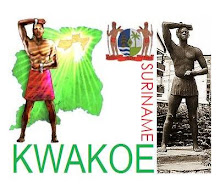
Ferrier werd in 1958 Ridder in de Orde van Oranje-Nassau, en is beschermheer van de Surinaamse Stenografenvereniging. Hij werd in 1999 gekozen tot politicus van de eeuw. Op 15 augustus 2004 werd hem op het Amsterdamse Kwakoe Festival de Kwakoe Award uitgereikt.
Ferrier was weduwnaar en had zes kinderen uit zijn eerste huwelijk, onder wie de op 30 juli 2006 overleden schrijver Leo Ferrier, de econoom Derryck Ferrier, en de schrijfster Cynthia Mc Leod (1936), en twee kinderen uit zijn huwelijk met Edmé Vas: Joan Ferrier, die directeur is van E-Quality, en het Tweede Kamerlid Kathleen Ferrier. De laatste is vernoemd naar de Britse zangeres Kathleen Ferrier. In de verte zouden deze Ferriers familie van elkaar zijn, en afstammen van Hugenoten die naar het Caraïbische gebied waren gevlucht.
In 2005 verschenen de mémoires van Johan Ferrier als Laatste gouverneur, eerste president; De eeuw van Johan Ferrier, Surinamer, opgetekend en bewerkt door John Jansen van Galen.
Begin januari 2010 overleed hij op 99-jarige leeftijd in zijn woonplaats Oegstgeest.[1]
[bewerken] Literatuur
C.F.A. Bruijning en J. Voorhoeve (red.): Encyclopedie van Suriname, Amsterdam en Brussel 1977 (Uitg. Elsevier), pag. 204
John Jansen van Galen: Laatste gouverneur, eerste president. De eeuw van Johan Ferrier, Surinamer, Leiden 2005 (KITLV Uitgeverij)

02-01-2010

INDEPENDENCE FOR WEST PAPUA TRIBUTE TO KELLY KWALIK FREEDOM FIGHTER

http://en.wikipedia.org/wiki/Free_Papua_Movement http://en.wikipedia.org/wiki/Free_Papua_Movement

SEE THIS LINK
FREE WEST PAPUA


The Murder of General Kelly Kwalik of the


The Murder of Suprime Commander of TPN of the OPM the late General Kelly Kwalik
Slained Leader Will Spur Resistance To Indonesian Occupation And Heighten Call For Freeport Mine Closure WPNCL Claimed
The much wanted Suprime commader of the West Papuan National Liberation Army (TPN) of the OPM, General Kelly Kwalik, was ambushed and killed on 16 December 2009 by the Indonesian Police forces who serves the Freeport interest in the mining area. It was 3.00 am in the morning when the troops stormed his hideout. The troops might have been tipped by some one who had detailed knowledge of Kwalik’s movements and resting time. How he died was a mystery because no witnesses were allowed to survive the ordeal. There is strong indication that he might have died from sadist torture. Eight of Kelly’s men were also slain in the attack. We lost a great Papuan leader.

Kelly Kwalik Died to Free the People of Papua 24/12/2009
Killing of OPM leader Kelly Kwalik 17/12/2009

Kelly Kwalik was well known for two inherent issues. As land owner he opposed the Freeport Mine because of the human rights abuses it had caused his people and the irreparable environmental destruction it had created to the land. Also as a Commander in the Military Arm of the Independence Movement, the OPM he advocates for Independence. He joined the OPM in 1974 after finishing teacher college in Waena, Jayapura . He was one of the pioneers who joined a long march from North to south and Western West Papua in 1977 opening new frontiers that is known as Commander of Papuan Independent Expeditio(ESKOPME). He is a principle leader with high dignity and well respect Papuan leader. He had been in the jungle for 37 years.
The late Commander Kelly Kwalik as member of West Papuan National Coalition for Liberation,had actively promoted peaceful dialogue as a viable alternative to conflict resolution. As member of The officials from the West Papua National Coalition for Liberation, Dr. John Ondawame, Vice Chairman and Rex Rumakiek, Secretary General condemned the killing as a deliberate action to undermine any peaceful solution to the West Papuan issue.
Dr. John Ondawame, Vice Chairman of WPNCL who is also land owner of Freeport Mining concession area confirmed the killing after cross checking with the people on the ground. He fears the worst because his people held high regard for Kelly Kwalik. The people are still in shock. There could be back lash as well from the Papuan people in general because of Kwalik’s uncompromised position on the call for Independence. This killing will hardened the call for Independence and for the closure of the Mine. This is a very unfortunate situation. Whether the action was authorized by SBY government or not it is a very bad and unwise policy. Dr. Ondawame said, there would be a grace period to show respect to Kelly but what might happen after the burial is any body guess. Emotions would be high with traditional pledges that “one Kelly has fallen but a thousand more Kellies will take his place.” We call on our members not to respond to any provocation for violence by the Militias. We will stick to our road map for peaceful solution.
The Secretary General, Mr. Rex Rumakiek warned that the hope by the Civil Society to make Papua a land of peace could be in jeopardy. When Civil Society and Religious Institutions made the declaration in 2001, the Security Forces refused to be part of it. The Military Arm of the Independence Movement, the TPN on the other hand had endorsed the declaration and abides by it. It was an uneasy situation ever since the declaration with continued Military build up and increased Militia activity. These all went hand in hand with the carving up of West Papua into more Provinces that eventually will have their own Military Divisions Mr. Rumakiek said. He has called on stakeholders to remain calm and focus on the road map to resolving the issue through peaceful means.
Dr. John Ondawame and Mr. Rex Rumakiek called on the Australian government and members of the Pacific Islands Forum to insist on Indonesia opening up West Papua for International access. Especially, the Red Cross must be allowed to resume its work in the Territory and also allow foreign journalists to have access in the country, particularly during the burial of the late Papuan Leader, Kelly Kwalik. International access is crucial for transparency and prevention of further violence. Furthermore, the two officials from WPNCL renewed their call for peaceful dialogue to resolve the decades old issue of West Papua. If Jakarta undermine these calls, we call all West Papuan Papuans to unify and stand together in demanding for Independence of West Papua. We also call to take immediate action to close down Freeport mining activities in the area because it becomes clear that Freeport Security Forces were directly involved in the killing of the Papuan leader, the late Kelly Kwalik.